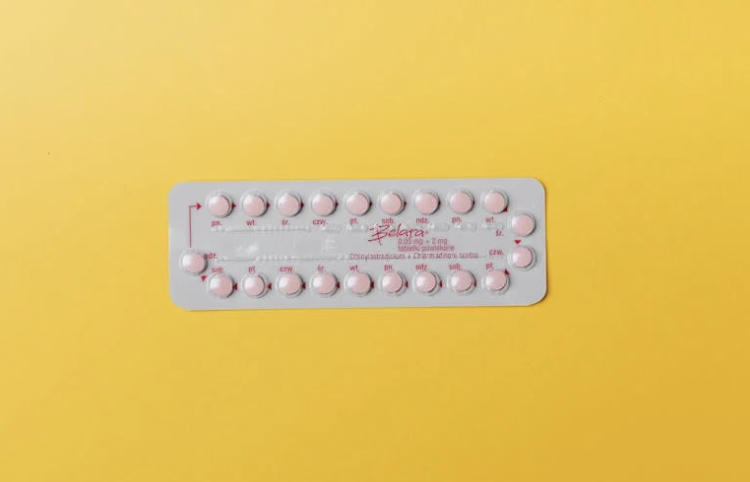
Noticing heavy hair shedding a few months after stopping birth control is common and can be alarming. In most people it is temporary. This guide explains why it happens, what the timeline usually looks like, what you can do, and when to get checked.
Quick answer
- Stopping hormonal contraception is a recognized trigger for telogen effluvium, a temporary form of hair shedding.
- Shedding often starts about 6 weeks to 3 months after the change and usually settles within 3 to 6 months, with regrowth following.
- See a doctor if shedding lasts beyond 6 months, appears patchy, or comes with other symptoms.

Why hair may shed after stopping birth control
Each hair goes through a growth phase and a resting (telogen) phase. A body stressor, such as a hormonal shift, illness or sudden diet change, can push many hairs into the resting phase at once. About two to three months later they shed together. This is called telogen effluvium. Stopping oral contraceptives is one of the events that can trigger it.
In some people, a shedding episode also reveals an underlying hair condition that was already developing, such as pattern hair loss, so persistent thinning should be evaluated.
What the timeline looks like
- Onset: roughly 6 weeks to 3 months after stopping.
- Shedding phase: usually lasts around 3 to 6 months.
- Regrowth: new hairs appear as shedding eases. Visible fullness can take longer, because hair grows slowly.
What can help
- Give it time. If this is temporary shedding, patience is the main treatment.
- Eat enough. Make sure you get enough protein, iron and calories. Crash diets can cause shedding on their own.
- Ask about tests. Iron stores (ferritin) and thyroid function are commonly checked in unexplained hair loss.
- Be gentle with your hair. Avoid tight hairstyles and limit heat and harsh chemicals.
- Talk about treatment. A dermatologist can advise on options such as topical minoxidil if needed.

For general causes and care tips, see our guide to hair thinning and hair loss. Before taking hair vitamins, read about biotin.
When to see a doctor
- shedding continues beyond about 6 months
- you see bald patches, scalp redness, scaling or pain
- you have irregular periods, acne, excess facial hair or other hormonal symptoms
- you feel very tired, have weight changes or other new symptoms
Frequently asked questions
Does birth control itself cause hair loss?
Hair loss can occur while using some hormonal methods or when stopping them. The effect depends on the person and the product. A doctor can review your options.
How long until my hair is back to normal?
Shedding often settles in 3 to 6 months, and regrowth takes longer to become noticeable.
Should I restart birth control?
Do not restart or stop any prescription medicine only because of hair shedding. Talk with your doctor about your goals and options.
Sources
- Telogen Effluvium: Symptoms, Causes, Treatment and Regrowth — Cleveland Clinic
- Telogen Effluvium — StatPearls (NCBI Bookshelf)
- Telogen effluvium: a comprehensive review — PMC
- Postpartum Telogen Effluvium Unmasking Additional Latent Hair Loss Disorders — PMC
Medical disclaimer: This article is for general information only and is not medical advice. It may contain inaccuracies or may not apply to your situation. Please talk with a doctor or pharmacist before making decisions about supplements, medicines or treatment.