
Cherries, milk, nuts and kiwi often appear on “sleep food” lists. Some of these foods have small studies behind them, but none is a cure for insomnia. This guide explains what the research suggests, how to use these foods sensibly, and what matters more for sleep.
Quick answer
- Tart cherry juice has the most encouraging results among foods: studies and a systematic review report modest improvements in sleep time and sleep efficiency, though studies are small.
- Kiwifruit, dairy and nuts may help some people, but the evidence is limited.
- Large, heavy or spicy meals close to bedtime can cause discomfort and disrupt sleep.
- If sleep trouble lasts weeks, see a doctor. Food will not fix a sleep disorder.
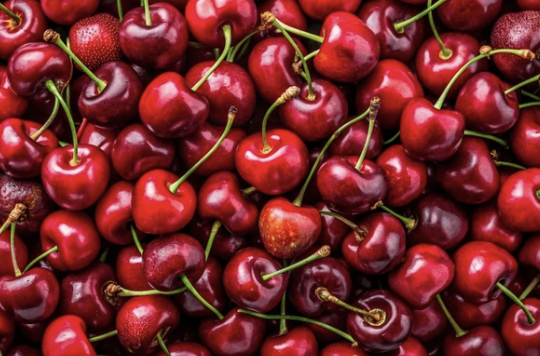
Tart cherries
Tart (Montmorency) cherries and their juice are the best-studied “sleep food.” In a trial, juice taken twice a day (about 230 mL each time) improved total sleep time and sleep efficiency. A systematic review of tart cherry and sleep supports a possible benefit. Researchers think compounds such as polyphenols, and not only melatonin, may play a role. The studies are small and short, and the juice contains sugar.
Kiwifruit
Kiwifruit is a source of serotonin and antioxidants, and small studies suggest it may help sleep. It is a healthy food to eat in any case, but treat it as a small bonus.
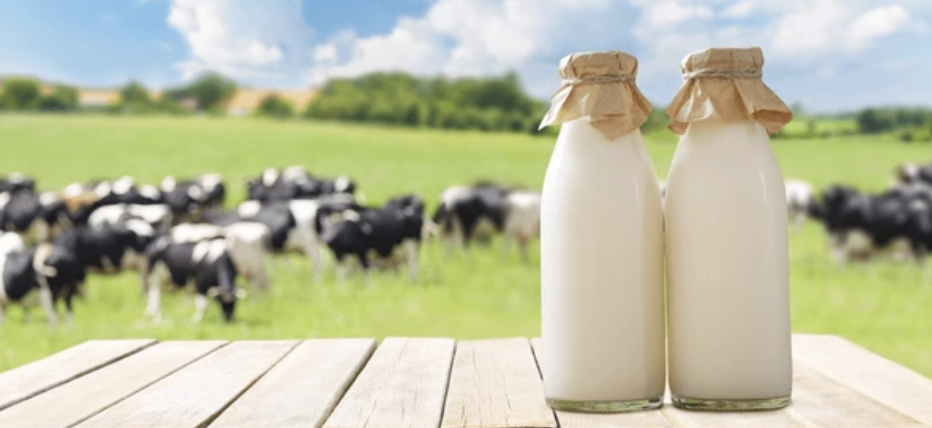
Milk and dairy
A traditional glass of warm milk may be comforting, and a systematic review found that milk and dairy products in a balanced diet were associated with better sleep quality. Part of the effect may be the routine of winding down. If you are lactose intolerant, dairy can disturb sleep instead.
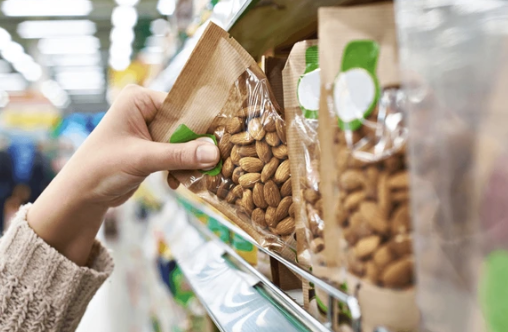
Nuts
Nuts contain melatonin, omega-3 fats and minerals such as magnesium and zinc, which are linked to sleep in research. A small handful of almonds or walnuts is a reasonable bedtime snack, but evidence that they improve sleep directly is limited.
Beans and legumes
Beans and lentils provide magnesium and tryptophan, nutrients involved in sleep regulation. They are healthy foods for overall diet quality, but there is no strong proof that eating them improves sleep on its own.
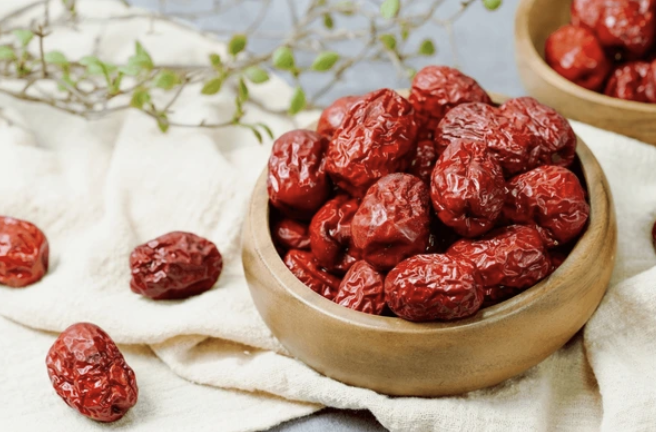
Jujube (red dates)
Jujube has a long history in traditional medicine for sleep. We did not find solid human trials to cite here, so consider it a traditional remedy rather than an established one.
Sensible bedtime eating
- Avoid large, heavy or spicy meals close to bedtime. They can cause discomfort and reflux.
- If you are hungry, choose a light snack, such as a banana with nut butter, yogurt or a small handful of nuts.
- Limit caffeine in the afternoon and alcohol in the evening.
- Keep a regular sleep schedule. It matters more than any single food.
For more, see magnesium for sleep and why you might wake at 3AM.
When to see a doctor
See a doctor if poor sleep lasts more than a few weeks, if you feel very sleepy during the day, or if you snore loudly or stop breathing in your sleep.
Frequently asked questions
What is the best food to eat before bed?
There is no single best food. A light snack you tolerate is fine, and tart cherry juice has the most research.
Does warm milk really help?
Evidence is limited, but it can be a soothing routine for people who tolerate dairy.
Can food replace sleep medicine?
No. For chronic insomnia, cognitive behavioral therapy for insomnia (CBT-I) is the recommended first treatment.
Sources
- Foods That Help You Sleep — Sleep Foundation
- The Effect of Tart Cherry on Sleep Quality and Sleep Disorders: A Systematic Review — PMC
- Nutritional Elements in Sleep — PMC
- Effectiveness of Melatonin-Containing Foods on Promoting Sleep: A Scoping Review — PMC
- Is It Bad To Eat Before Bed? — Sleep Foundation
Medical disclaimer: This article is for general information only and is not medical advice. It may contain inaccuracies or may not apply to your situation. Please talk with a doctor or pharmacist before making decisions about supplements, medicines or treatment.