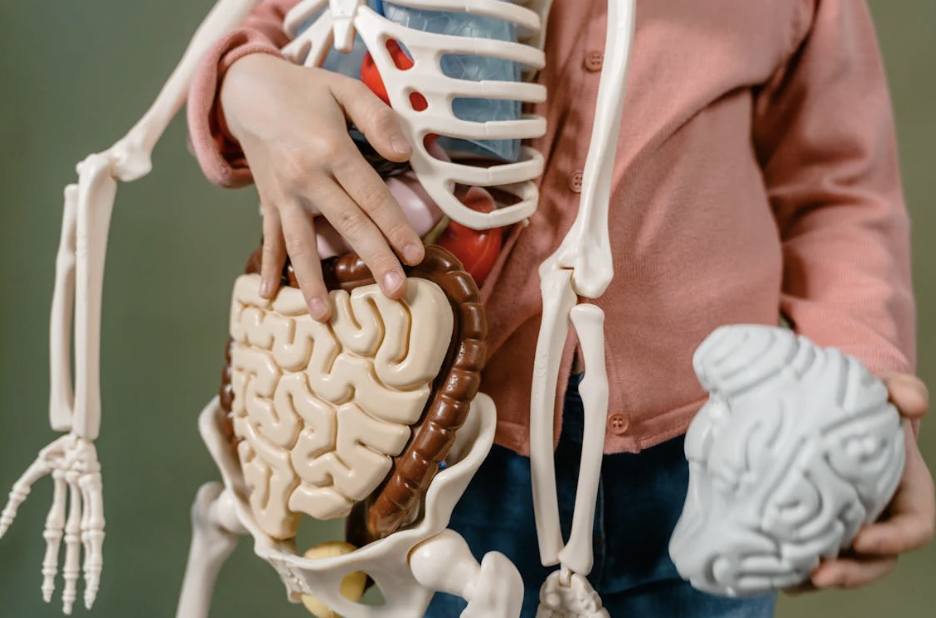
Good digestion mostly comes from everyday habits: what you eat, how you eat, how much you move, and how well you sleep. This guide covers ten practical, low-risk ways to support digestion and reduce bloating, plus the warning signs that mean you should see a doctor instead of trying more home remedies.
Quick answer
- Fiber, fluids and regular movement are the foundation, especially if you are constipated.
- Increase fiber gradually. Adults aged 19 to 50 are advised about 25 g a day for women and 38 g for men.
- Eating slowly, limiting trigger foods and managing stress can help with bloating and gas.
- Blood in the stool, fever, severe or constant pain, unexplained weight loss or symptoms lasting more than a week or two need medical advice.
1. Eat more fiber, but add it slowly
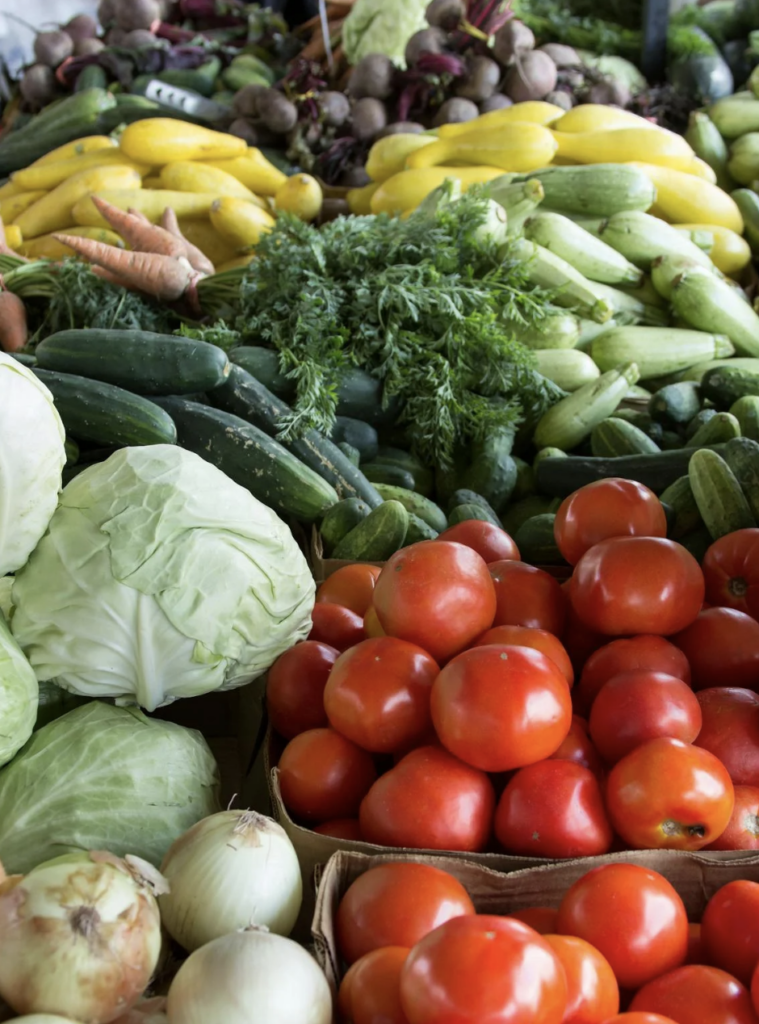
Fiber adds bulk and helps stool move. Good sources are vegetables, fruit, beans, lentils, oats and whole grains. Adding fiber too fast can cause gas and bloating, so increase it a little at a time and drink fluids with it.
2. Include fermented foods
Yogurt with live cultures, kefir, sauerkraut, kimchi and similar foods contain live microbes. Reviews suggest regular fermented food intake may support gut microbial diversity, though evidence is still developing and effects vary by food. Start with small portions.

3. Eat prebiotic foods
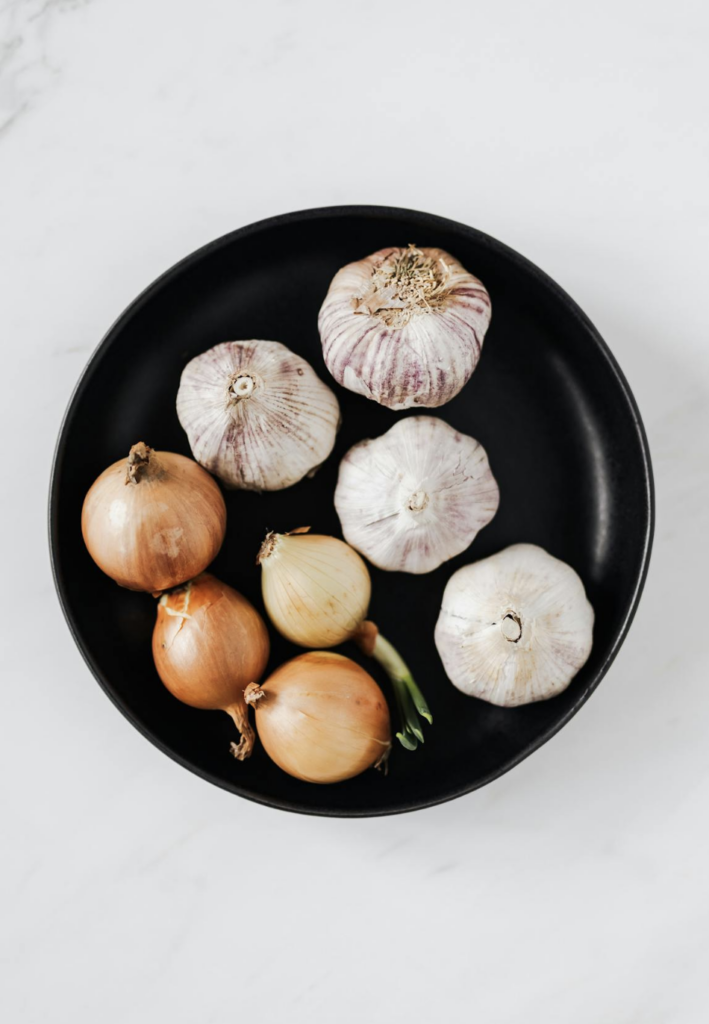
Prebiotics are fibers that gut bacteria feed on. Onions, garlic, leeks, oats, bananas and legumes are common sources. They can cause gas in some people, especially those with sensitive digestion, so go gradually.
4. Drink enough fluids
Water helps fiber work properly. If you increase fiber without drinking enough, constipation can get worse. Water, herbal tea and soups all count.

5. Eat slowly and chew well
Swallowing air while eating or drinking quickly is a common cause of gas and bloating. Slow down, chew thoroughly and avoid gulping drinks or chewing gum if bloating is a problem.
6. Move your body
Physical activity helps the intestines move food along. A walk after meals is an easy habit, and regular exercise often helps with constipation.

7. Manage stress and protect your sleep
The gut and brain communicate closely, and stress can change digestion in some people. Short breaks, breathing exercises, time outdoors and a regular sleep schedule may help. See our guide on waking at night if sleep is a problem.

8. Limit highly processed foods and trigger ingredients
Heavily processed, fatty or very sugary meals can leave some people uncomfortable. Sugar alcohols such as sorbitol, often in sugar-free products, can cause gas and loose stools in some people. Check labels if you notice a pattern.

9. Keep a food and symptom diary
Bloating has many causes, including constipation, swallowing air, certain foods, food intolerances and irritable bowel syndrome (IBS). Write down what you eat, when symptoms start and how you feel for two weeks. Patterns will show up, and a doctor or dietitian can use the diary.
10. Be careful with supplements
Probiotics, digestive enzymes and other gut supplements are not necessary for most healthy people. Probiotic effects are strain-specific, and risk is higher in people with weakened immune systems or serious illness. Ask a doctor or pharmacist before starting one.
When to see a doctor
Get medical advice if you notice any of these:
- blood in your stool or bleeding from the rectum
- fever, repeated vomiting, or severe or constant abdominal pain
- unexplained weight loss
- bloating that is frequent or long-lasting, especially with other symptoms
- constipation, diarrhea or heartburn that does not improve after a week or two of home measures
Not sure whether it is your gut or something else? Read about the 7 signs of an unhealthy gut and what actually helps and what is hype.
Frequently asked questions
How long does it take to improve digestion?
Some people notice changes in a few days to a couple of weeks after adding fiber, fluids and movement. Persistent symptoms should be checked.
Is bloating always a sign of poor gut health?
No. Many healthy people get bloated after large meals or gas-producing foods. Frequent or severe bloating is worth discussing with a doctor.
Do I need probiotics?
Most healthy people do not. Food-based approaches are a reasonable first step.
Sources
- Bloating — NHS
- Taking the air out of bloating — Harvard Health
- Symptoms and causes of constipation — NIDDK
- Digestive health changes: when to seek medical care — Harvard Health
- Symptoms and causes of gas in the digestive tract — NIDDK
- Fermented foods: impact on the gut microbiota and gastrointestinal health — PMC
- Probiotics: usefulness and safety — NCCIH
Medical disclaimer: This article is for general information only and is not medical advice. It may contain inaccuracies or may not apply to your situation. Please talk with a doctor or pharmacist before making decisions about supplements, medicines or treatment.