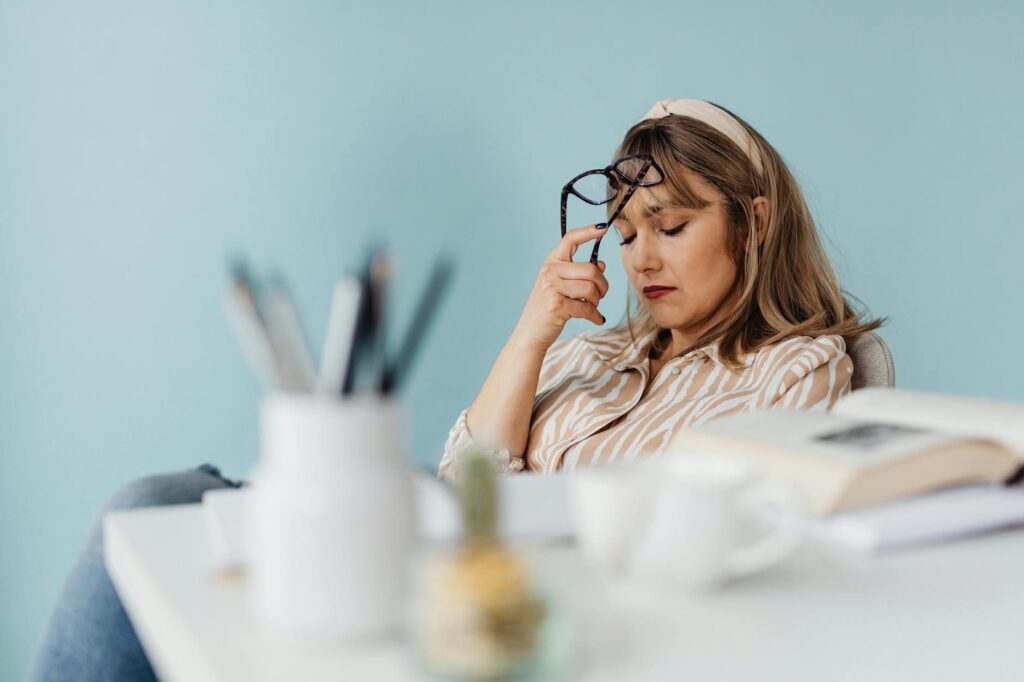
If you snap at people, tear up easily or feel overwhelmed when you are exhausted, you are not imagining it. Sleep loss changes how the brain handles emotion. This guide explains why it happens, how to cope in the moment, and when tiredness and low mood need medical attention.
Quick answer
- Research shows sleep loss increases negative mood and reduces positive mood.
- Brain imaging studies link poor sleep to a more reactive amygdala and weaker control from the prefrontal cortex.
- Catching up on sleep improved mood and amygdala activity in one study, so rest is a real fix.
- If low mood or hopelessness lasts, talk to a healthcare professional. It may not be only tiredness.
Why tiredness makes emotions feel bigger
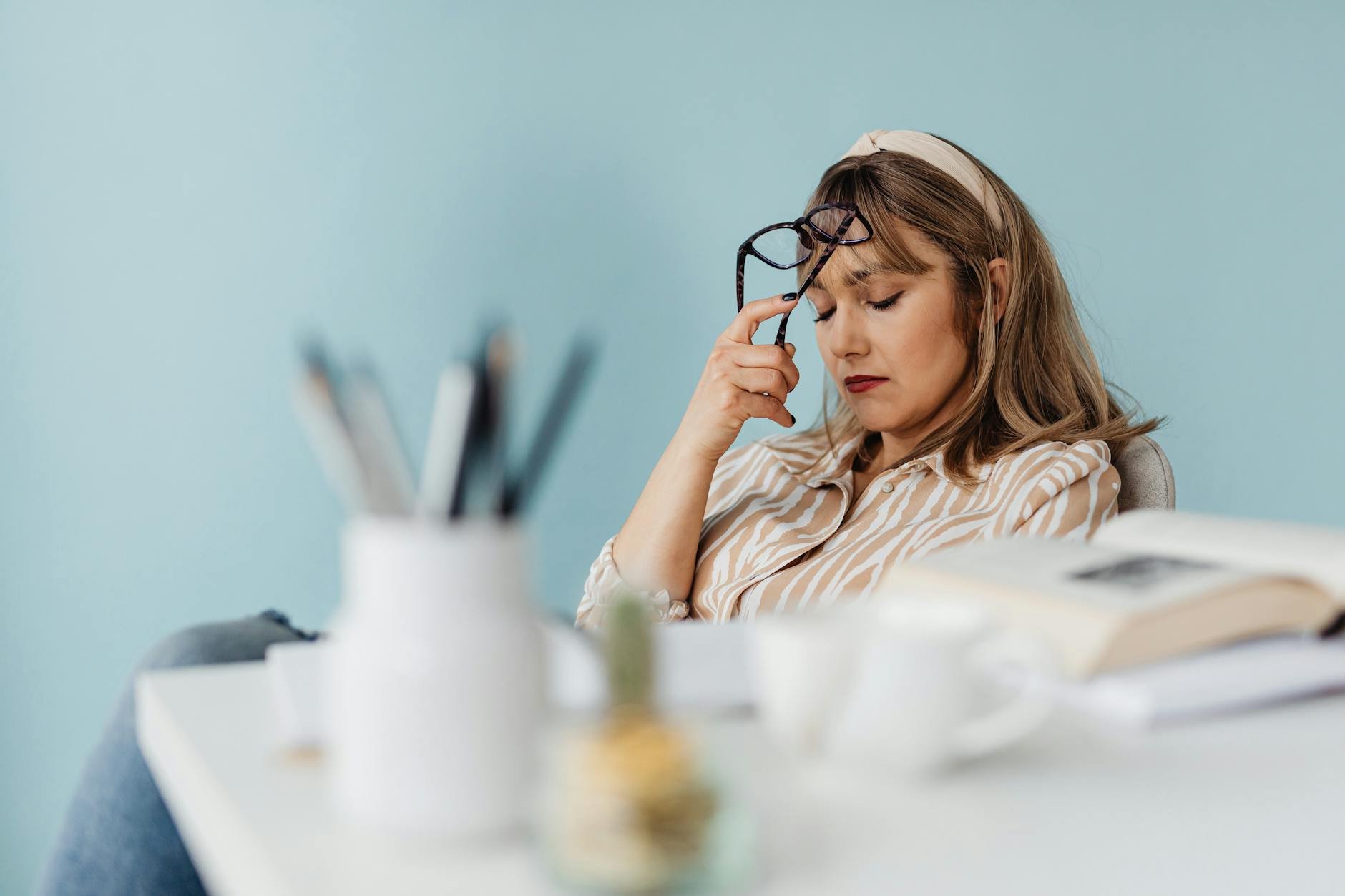
Meta-analyses of sleep studies found that sleep loss has a moderate effect on increasing negative mood and a large effect on reducing positive mood. In other words, you feel worse and enjoy things less.
Brain research offers a likely reason. The amygdala helps detect threats and drives emotional reactions, while the prefrontal cortex helps keep those reactions in proportion. After poor sleep, studies show stronger amygdala responses and weaker prefrontal regulation. Small problems then feel bigger.
What tired emotions can look like
- Irritability and a short temper
- Crying more easily or feeling overwhelmed
- Anxiety or feeling on edge
- Less patience and less motivation
- Feeling flat, with less enjoyment of normal things
What helps in the moment
- Name it. Tell yourself, “I am tired, so this feels bigger than it is.” It helps you delay big decisions and arguments.
- Pause before reacting. Take a few slow breaths, or step away for a few minutes.
- Move gently. A short walk can lift energy and mood.
- Eat and drink something. Skipped meals and dehydration can make you feel worse.
- Reduce demands. Postpone non-urgent conversations until you have rested.
What helps over the long run
The strongest fix is more and better sleep. In one study, people who recovered from sleep loss showed improved mood regulation and less amygdala activity. Aim for a consistent sleep schedule, wind down without screens, and limit alcohol and late caffeine. If you wake at night, read our guide to waking up at 3AM.
Also look for the cause of the tiredness itself: see common causes of low energy.
When to get help
Tiredness is not always the whole story. Talk to a doctor or mental health professional if:
- low mood, anxiety or irritability lasts for weeks
- you have lost interest in things you usually enjoy
- you feel hopeless, or your sleep and appetite have changed a lot
- emotions are affecting your work or relationships
If you ever think about harming yourself, contact emergency services or a crisis line right away. In the US, call or text 988. In the UK and Ireland, Samaritans is available on 116 123. Elsewhere, contact your local emergency number.
Frequently asked questions
Why do I cry when I am tired?
Sleep loss weakens emotional control and increases reactivity, so smaller triggers can feel overwhelming.
Is emotional exhaustion the same as burnout?
Not exactly. Tiredness from poor sleep improves with rest, while burnout is linked to long-term stress and usually needs changes to workload and support.
How long to recover from sleep loss?
It varies. Many people notice better mood after a few nights of good sleep, but long-term sleep debt can take longer.
Sources
- The effect of sleep deprivation and restriction on mood, emotion, and emotion regulation: three meta-analyses in one — PMC
- The Role of Sleep and the Effects of Sleep Loss on Cognitive, Affective, and Behavioral Processes — PMC
- Recovery from Unrecognized Sleep Loss Improved Mood Regulation via Prefrontal Suppression of Amygdala Activity — PMC
- Impact of Sleep Quality on Amygdala Reactivity, Negative Affect, and Perceived Stress — PMC
Medical disclaimer: This article is for general information only and is not medical advice. It may contain inaccuracies or may not apply to your situation. Please talk with a doctor or pharmacist before making decisions about supplements, medicines or treatment.