As we age, our gut health changes. Gut Health After 40 is crucial for overall well-being. Factors like hormonal shifts and decreased microbial diversity impact digestion and immunity. A healthy gut supports a strong immune system and helps prevent illnesses.
Quick Answer
- Eat probiotic-rich foods like yogurt and kefir
- Incorporate fiber-rich foods like oats and whole grains
- Stay hydrated and manage stress
1. The Aging Gut: Why Gut Health Changes After 40
Hormonal shifts impact digestion and metabolism. Decreased microbial diversity and gut lining integrity also occur. Common signs of an unhealthy gut include bloating, abdominal pain, and changes in bowel movements. For more on early signs your gut is unhealthy, visit our website.
2. Top Probiotic Powerhouses for a Thriving Gut
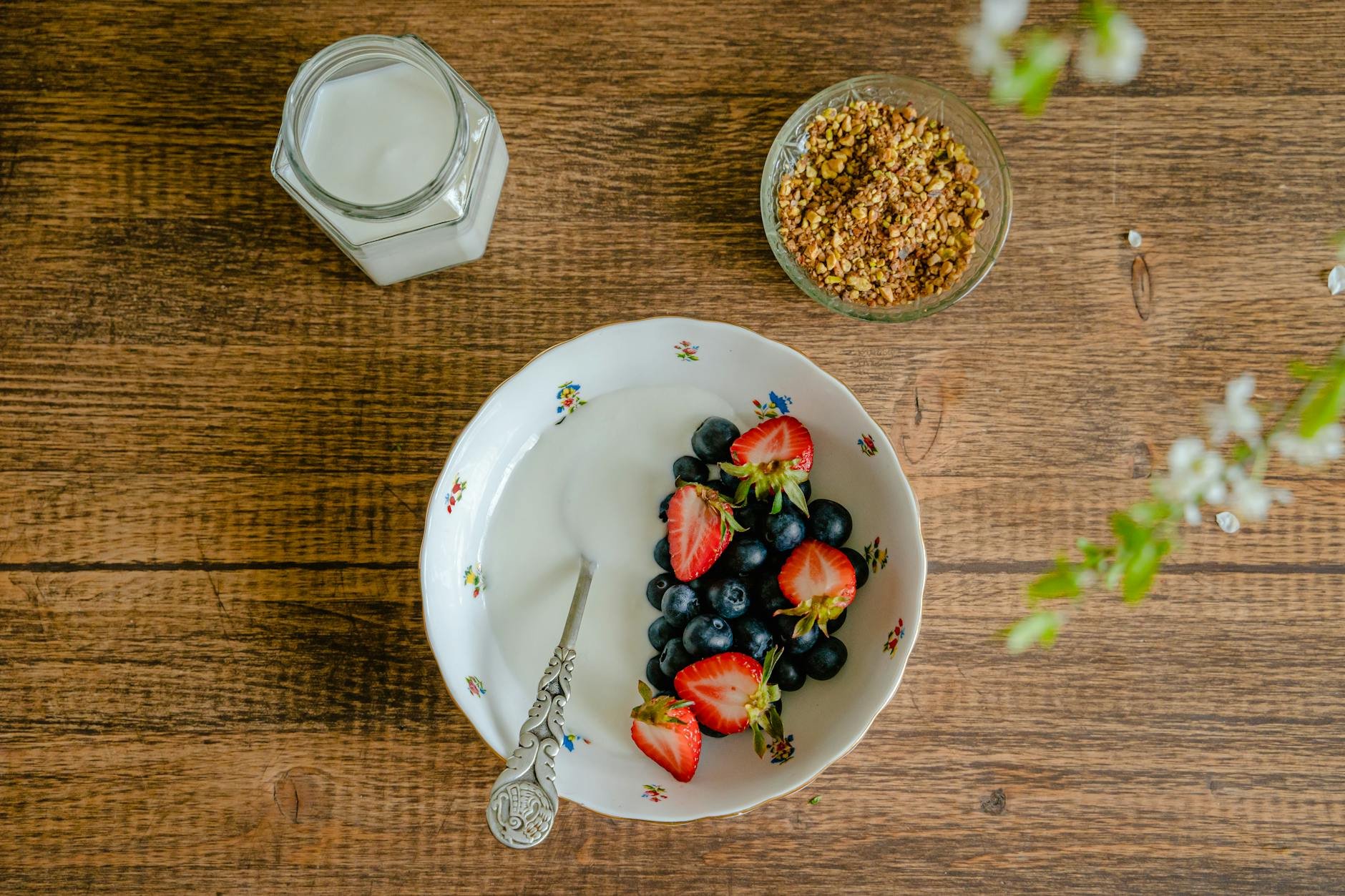
Probiotics help maintain a healthy gut. Yogurt and kefir are great sources. For those with bloating, consider the best probiotics for bloating. Sauerkraut and kimchi are fermented vegetables that benefit the microbiome.
3. Fiber-Rich Essentials: Fueling Your Gut Microbiome
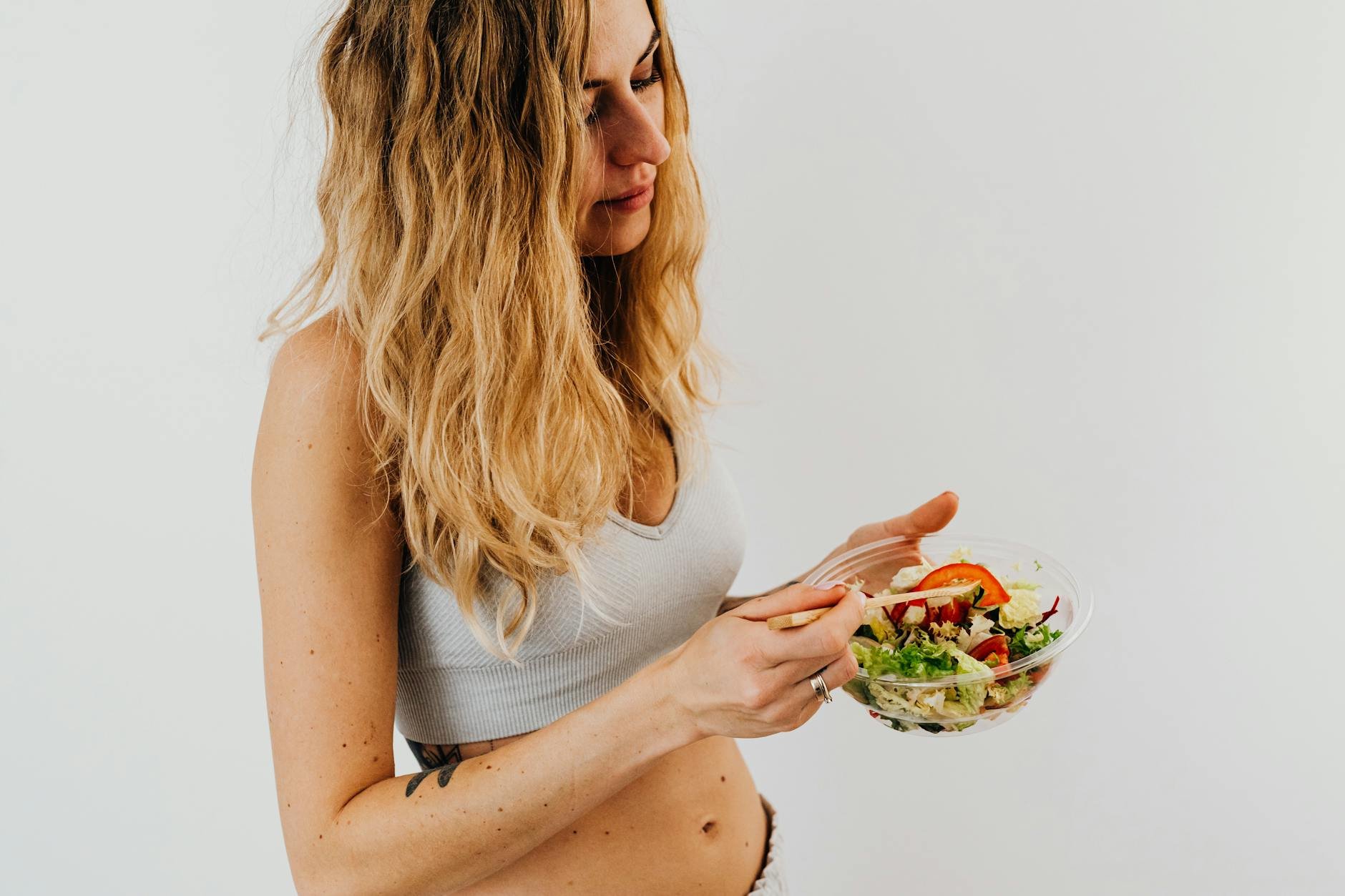
Fiber-rich foods like oats and whole grains support gut health. Legumes and pulses, such as beans and lentils, are also beneficial. The high-fiber foods for gut health can help. Berries and leafy greens provide antioxidant-rich fiber.
4. Beyond Fiber: Key Nutrients for Gut Resilience
Omega-3 fatty acids have anti-inflammatory benefits. Polyphenols feed beneficial bacteria. Collagen-rich foods support gut lining integrity. The Mayo Clinic on digestive symptoms provides more information.
5. Lifestyle Strategies for Optimal Gut Wellness After 40
Hydration aids digestive function. Stress management is also crucial. Regular movement supports digestive flow and overall health. The NHS guidance on digestive health offers valuable tips.
6. Building Your Personalized Gut Health Plate
Sample daily meal ideas can help integrate gut-friendly foods. Understanding portion sizes and balanced food combinations is key. Consider supplements and professional advice if needed. A primary care physician can provide guidance.
7. Maintaining Gut Health After 40
Gut Health After 40 requires attention to diet and lifestyle. By incorporating probiotic-rich foods, fiber-rich foods, and staying hydrated, individuals can support their gut health. The USDA recommends a balanced diet with a variety of foods.

When to See a Doctor
If experiencing persistent digestive issues, consult a doctor. They can provide guidance on OTC medications and lifestyle changes.

Frequently Asked Questions
Q: What are the best foods for gut health? A: Probiotic-rich foods like yogurt and kefir, and fiber-rich foods like oats and whole grains. Q: How can I improve my gut health? A: Stay hydrated, manage stress, and exercise regularly. Q: What are the signs of an unhealthy gut? A: Bloating, abdominal pain, and changes in bowel movements. Q: Can I take supplements for gut health? A: Consult a doctor before taking any supplements. Q: How can I get enough fiber in my diet? A: Eat foods like oats, whole grains, and legumes.
In conclusion, Gut Health After 40 is vital for overall well-being. By incorporating the right foods and lifestyle strategies, individuals can support their gut health. Remember to consult a doctor if experiencing persistent digestive issues. Gut Health After 40 requires attention to diet and lifestyle.
Medical Disclaimer: This article is for informational purposes only and is not intended to diagnose or treat any medical condition. Consult a healthcare professional before making any changes to your diet or lifestyle.