
Feeling still tired after sleep despite getting 8 hours can be frustrating. Many people experience this issue. They want to know why they feel exhausted. Still Tired After Sleep is a common problem.
Quick Answer
- Sleep quality matters more than quantity.
- Lifestyle habits like diet and exercise impact energy levels.
- Hidden health issues can cause persistent fatigue.

The Paradox of Persistent Tiredness
The common frustration of sleeping 8 hours but feeling exhausted is real. Briefly, sleep quality is more important than sleep quantity. Setting the stage for deeper exploration, it’s clear that still tired after sleep is a complex issue.
Beyond the Clock: Understanding Sleep Quality
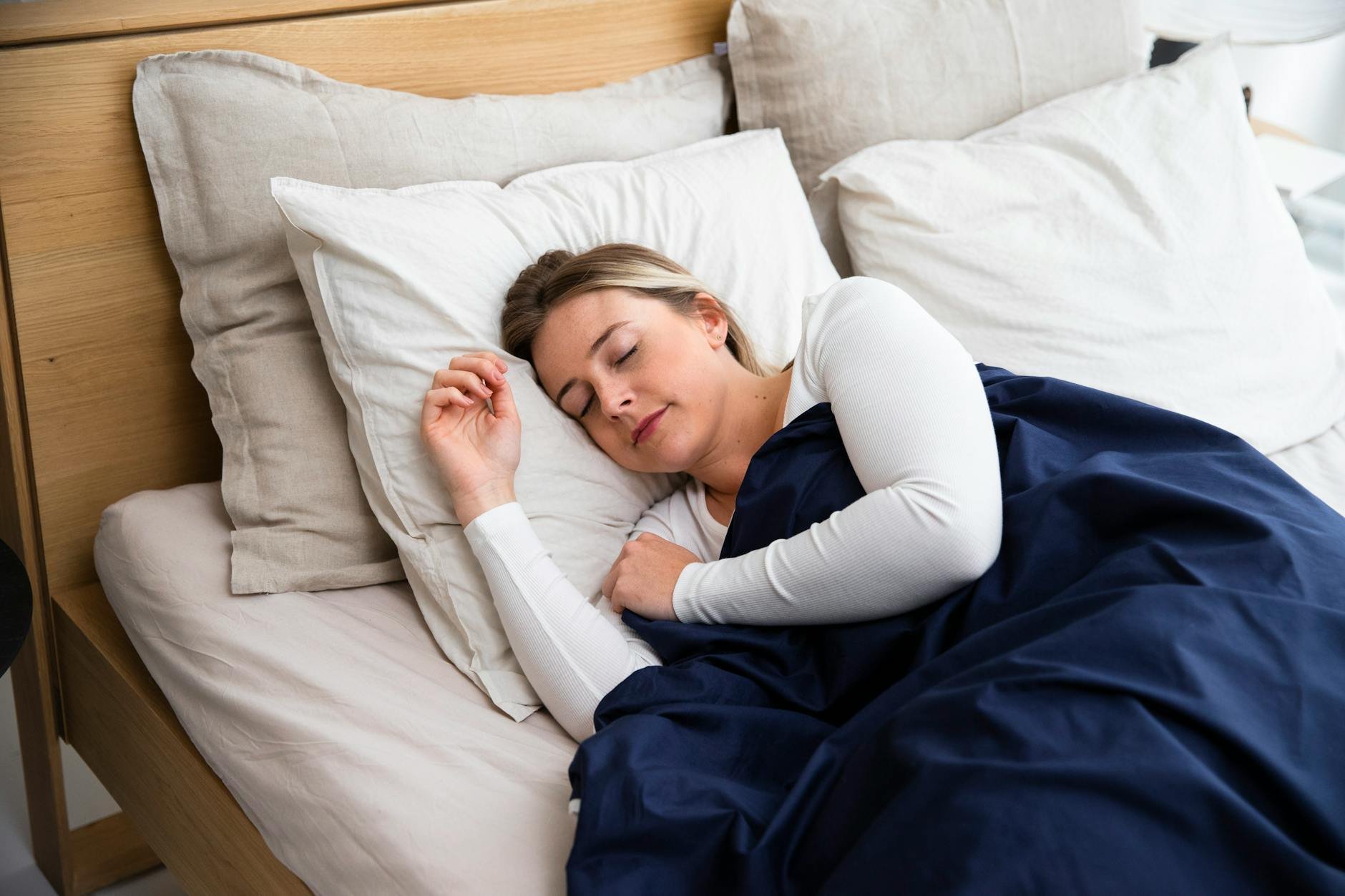
What constitutes true restorative sleep? REM and deep sleep are essential. Factors disrupting sleep cycles include fragmented sleep, snoring, and light or noise. The impact of technology and stimulants before bed is significant. For example, the USDA recommends avoiding screens before bedtime.
Lifestyle Habits Stealing Your Energy
Dietary culprits like processed foods, sugar crashes, and caffeine or alcohol timing can drain energy. Lack of physical activity or overtraining can also impact energy levels. Chronic stress has a physiological impact on energy. Irregular sleep schedules, or ‘social jet lag,’ can be detrimental. However, incorporating anti-inflammatory diet tips can help.
Hidden Health Issues to Consider
Nutrient deficiencies like Iron, B12, Vitamin D, or Magnesium can cause fatigue. Thyroid imbalances, such as hypothyroidism, can also be a factor. Sleep disorders like sleep apnea or restless legs syndrome can disrupt sleep. Mental health factors like anxiety or depression can impact energy levels. Since these issues can be complex, it’s essential to consult a primary care physician.

Crafting Your Ultimate Sleep Sanctuary
Optimizing the bedroom environment is crucial. This includes temperature, darkness, and quiet. Mattress and pillow considerations are also important for support. Pre-sleep routines like reading or meditation can help with relaxation and wind-down. As a result, establishing a consistent sleep-wake cycle can improve sleep quality.
Smart Strategies for Sustainable Energy
Mindful eating and hydration tips can boost energy. Incorporating regular, moderate exercise can also help. Stress management techniques like mindfulness or journaling can reduce fatigue. Establishing a consistent sleep-wake cycle is vital. For instance, the NHS recommends drinking at least 8 cups of water per day.

When to Consult a Healthcare Professional
Recognizing persistent and severe symptoms is essential. Professional diagnosis and personalized treatment are crucial. Encouraging proactive health management can lead to lasting vitality. If symptoms persist, consider consulting a healthcare professional or visiting the Mayo Clinic for guidance.
Frequently Asked Questions
- Q: What are some common causes of fatigue? A: Poor sleep quality, dietary habits, and hidden health issues can cause fatigue.
- Q: How can I improve my sleep quality? A: Establishing a consistent sleep-wake cycle and optimizing the bedroom environment can help.
- Q: What are some natural energy boosters? A: Incorporating high-fiber foods for gut health and walking after meals for digestion can help.
- Q: Can I get more information on digestive health? A: Visit the NIH digestive disease resources for more information.
- Q: How can I manage stress and anxiety? A: Practicing mindfulness, journaling, or meditation can help reduce stress and anxiety.

In conclusion, feeling still tired after sleep can be a complex issue. However, by understanding sleep quality, lifestyle habits, and hidden health issues, individuals can take practical steps towards lasting energy. For more information, consult a healthcare professional or visit reputable resources like the USDA or NHS. Remember, still tired after sleep is a common problem, but it can be addressed with the right strategies.
Medical Disclaimer: This article is for informational purposes only and should not be considered medical advice. Consult a healthcare professional for personalized guidance.