Gut health is one of the most heavily marketed topics in wellness. Some of it is well supported, such as eating enough fiber, and some of it is hype. This guide sorts out what the research supports, what is still uncertain, and what to ask a doctor about.
Quick answer
- The best-supported steps are food-based: more fiber, a varied diet, fermented foods if you tolerate them, regular movement and good sleep.
- Probiotic supplements work in a strain-specific way, and they are riskier for people with weakened immunity or serious illness.
- Evidence for “gut healing” supplements such as L-glutamine and collagen in healthy people is limited.
- Persistent digestive symptoms or red flags need a medical evaluation.
What is the gut microbiome?
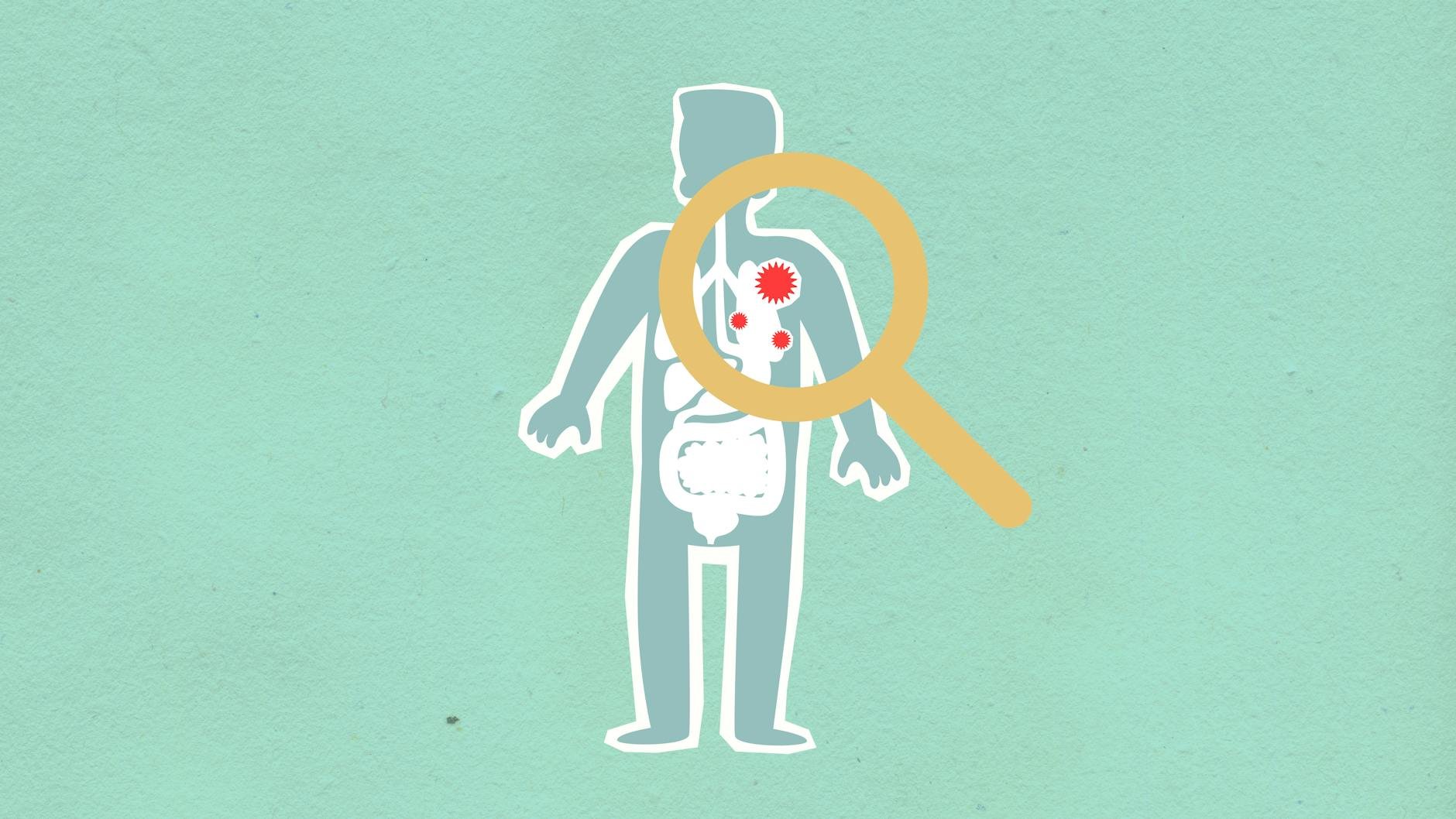
Your digestive tract is home to trillions of microbes, collectively called the gut microbiota. They help break down fiber, interact with the immune system and communicate with the brain. Researchers link a diverse microbiota with good health, but science is still working out what a “healthy” microbiome looks like for any one person.
Fiber: the best-supported place to start
Dietary fiber feeds gut bacteria and supports regular bowel movements. Adults aged 19 to 50 are advised about 25 g a day for women and 38 g for men. Build up gradually and drink fluids to avoid gas and bloating. Good sources are beans, lentils, oats, vegetables, fruit, nuts and whole grains.

Fermented foods
Yogurt with live cultures, kefir, sauerkraut and kimchi contain live microbes. Reviews suggest regular intake may increase microbial diversity and support gut barrier function, though research is still developing and results differ between foods.

Probiotic supplements
Probiotics are live microbes sold as capsules, powders and drinks. Their effects are strain-specific, which means a benefit shown for one strain does not apply to another. They have a long record of safe use in healthy people, but serious infections have been reported in people with severe illness, implanted devices or weakened immune systems. If you have a medical condition or take immune-suppressing drugs, ask your doctor first.
Prebiotics
Prebiotics are fibers that feed beneficial bacteria. You get them from onions, garlic, leeks, oats, bananas and legumes. Supplements are available, but food sources come with other nutrients and are a sensible first choice.
L-glutamine, collagen and bone broth
These are often promoted for “healing a leaky gut.” Studies in healthy adults are small and limited. One pilot study found that collagen peptides may reduce bloating in women who regularly have it, but researchers noted the change was unlikely to reflect gut repair. High doses of glutamine produced more digestive symptoms in a small pilot. If you are considering them, treat them as experimental and discuss with a doctor.
Diet, stress and sleep
Eating a variety of plants, moving regularly, managing stress and sleeping well all support digestion. For practical steps, read 10 natural ways to improve digestion and reduce bloating. If you are wondering whether your symptoms are significant, see 7 digestive symptoms and what they mean.
When to see a doctor
- blood in your stool, black stools, or rectal bleeding
- fever, repeated vomiting, or severe or constant abdominal pain
- unexplained weight loss
- symptoms that last more than a week or two
Frequently asked questions
What is the fastest way to improve gut health?
There is no quick fix. Adding fiber gradually, drinking enough water, moving daily and sleeping well are the reliable basics.
Should I take a probiotic every day?
Most healthy people do not need to. If you want to try one, choose it with a doctor or pharmacist, since effects depend on the strain.
Is leaky gut a real diagnosis?
Increased intestinal permeability is a research concept, but “leaky gut syndrome” is not an established diagnosis for the wide range of symptoms often attributed to it.
Sources
- Dietary and Supplementation Strategies for Modulating Gut Microbiota: A Narrative Review — PMC
- Fermented Foods: Impact on the Gut Microbiota and Gastrointestinal Health — PMC
- Dietary Fiber Intake and Gut Microbiota in Human Health — PMC
- Probiotics: Usefulness and Safety — NCCIH
- Effect of a Daily Collagen Peptide Supplement on Digestive Symptoms in Healthy Women — PMC
- Gastrointestinal Tolerance of Oral L-Glutamine Supplementation in Healthy Adults — PMC
Medical disclaimer: This article is for general information only and is not medical advice. It may contain inaccuracies or may not apply to your situation. Please talk with a doctor or pharmacist before making decisions about supplements, medicines or treatment.