“Balancing hormones” is a popular promise online, but hormones are not something you can simply tune with a diet or a supplement. Real hormone problems, such as thyroid disease, polycystic ovary syndrome (PCOS) and menopause, are medical conditions that can be diagnosed and treated. This guide covers what everyday habits can support, what they cannot fix, and when to get tested.
Quick answer
- Common signs of a hormone problem include unexplained weight change, fatigue, irregular or heavy periods, acne, hair loss and excess body hair.
- These symptoms have many causes. A doctor can check for thyroid disease, PCOS and menopause-related changes with simple tests, such as a TSH blood test for the thyroid.
- Sleep, activity, stress management and a balanced diet support overall health and can help how you feel, but they do not replace treatment.
- Be skeptical of “detox” and “hormone reset” products.
Signs that may point to a hormone problem
- unexplained weight gain or weight loss
- ongoing fatigue
- irregular, missed, very light or heavy periods
- acne, hair loss or excess hair growth on the face or body
- constipation or diarrhea that is new for you
- feeling restless or unusually tired
These are not specific. Poor sleep, stress, iron deficiency and many other issues can cause the same symptoms. See common causes of low energy and causes of hair thinning for related checks.
Common medical causes
- Thyroid disease: the thyroid makes too much or too little hormone, which can cause tiredness, restlessness, weight change and light, heavy or irregular periods.
- PCOS: the ovaries produce excess androgens, which can cause irregular periods, acne, excess hair growth and weight gain.
- Perimenopause and menopause: falling estrogen and progesterone can cause hot flashes, sleep problems, mood changes and body composition changes.
- Other causes: medicines, pregnancy and postpartum changes, and some chronic illnesses.
Habits that support hormone health
There is no diet that “balances” hormones. But sedentary living, erratic eating, stress and inactivity contribute to many hormone-related problems, so these habits are worth building:
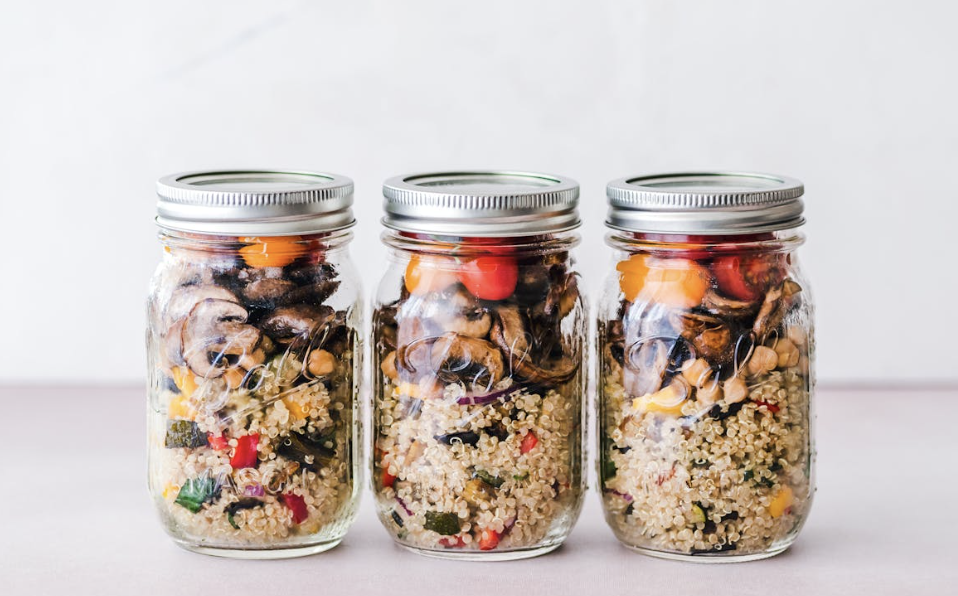
- Eat regular, balanced meals with vegetables, whole grains, protein and healthy fats. Avoid crash diets, which can disrupt periods and trigger hair shedding.
- Move most days. Both aerobic exercise and strength training support metabolic health.
- Protect your sleep. Read our guides on waking at night and magnesium and sleep.
- Limit alcohol. It disrupts sleep and can worsen several symptoms.
- Manage stress with activities you enjoy, time outdoors, and support from friends or a professional.
- Keep stable blood sugar. See blood sugar and hormones.
Herbal products and supplements
Many products claim to balance hormones. Evidence for most of them is limited, and some herbs can interact with medicines or are unsuitable in pregnancy or with hormone-sensitive conditions. Talk to a doctor or pharmacist before trying them.
Track your symptoms
A simple log of your periods, sleep, energy, mood and any symptoms gives your doctor useful information and helps you notice patterns. Write down dates, flow, pain, and anything unusual.

When to see a doctor
- periods that are very irregular, absent, or unusually heavy
- ongoing fatigue, weight change or mood changes that do not improve
- acne, hair loss or excess hair growth that concerns you
- hot flashes or sleep problems that disrupt your life
Your doctor will usually take a history and may order blood tests. The most common thyroid test is TSH, and additional hormone tests depend on your symptoms.
Frequently asked questions
Can food balance my hormones?
Food supports general health, but it cannot treat thyroid disease, PCOS or menopause on its own. A balanced diet is still a useful foundation.
Do I need a hormone test?
If you have persistent symptoms, ask your doctor. Online or home hormone panels can be hard to interpret without clinical context.
Can stress cause hormone problems?
Stress can affect sleep, appetite and periods, and it is one reason cycles can change. It does not replace checking for medical causes.
Sources
- Hormonal Imbalance: Causes, Symptoms and Treatment — Cleveland Clinic
- Thyroid disease — Office on Women’s Health
- PCOS — Cleveland Clinic
- Hormone Testing: Reasons To Do It and How — Cleveland Clinic
- How Menopause Impacts Your Health — Endocrine Society
Medical disclaimer: This article is for general information only and is not medical advice. It may contain inaccuracies or may not apply to your situation. Please talk with a doctor or pharmacist before making decisions about supplements, medicines or treatment.