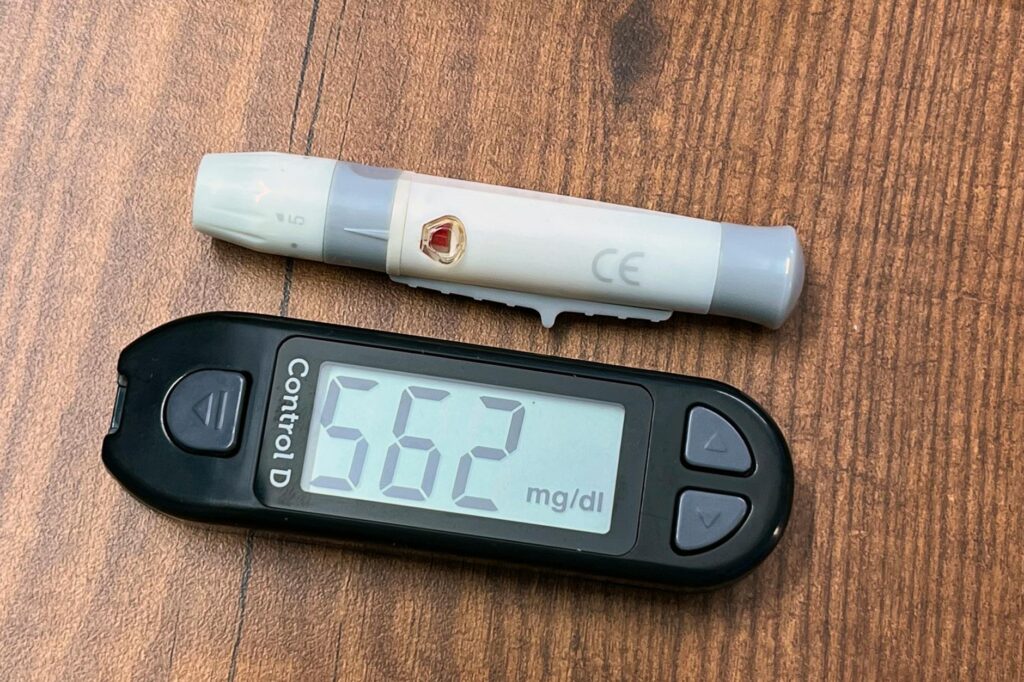
Blood Sugar Management: 5 Proven Tips to Lower Levels
Are you tired of feeling like a passenger on a blood sugar rollercoaster? You aren’t alone. Millions of people struggle with energy crashes and high glucose readings daily. Mastering blood sugar management is the most important step you can take to reclaim your health and prevent long-term complications.
1. The 10-Minute Post-Meal Stride
One of the easiest ways to blunt a glucose spike is to move your body immediately after eating. Research published in PubMed suggests that even a short walk helps muscles soak up excess glucose.
Instead of sitting on the couch after dinner, try a brisk 10-minute walk around the block. You will likely see a noticeable difference in your post-meal readings almost instantly.
2. Focus on Soluble Fiber First
Fiber is your secret weapon for stability. Soluble fiber, found in oats, beans, and apples, slows down the absorption of sugar into your bloodstream. The CDC recommends a high-fiber diet to help keep levels within your target range.
Try to eat your vegetables or a salad before you touch the carbohydrates on your plate. This “food sequencing” creates a fiber buffer in your gut. For more ideas on what to eat, check out our guide on [INTERNAL LINK: low carb snacks].
3. Prioritize Deep, Restorative Sleep
Poor sleep can actually cause your body to become more insulin resistant. When you are sleep-deprived, your cortisol levels rise, which triggers your liver to release more glucose into the blood. Ensuring you get 7-9 hours of quality rest is essential for [INTERNAL LINK: signs of prediabetes] reversal.
4. Stay Hydrated with Pure Water
Drinking enough water helps your kidneys flush out excess sugar through urine. When you are dehydrated, your blood sugar becomes more concentrated, leading to higher readings. Avoid sugary sodas and stick to plain or sparkling water. Explore our favorite [INTERNAL LINK: sugar-free drinks] to keep things interesting.
5. Implement Stress-Reduction Techniques
Stress isn’t just in your head; it’s a physiological trigger for high glucose. When you’re stressed, the “fight or flight” response releases hormones that raise blood sugar to provide quick energy. Mindfulness and deep breathing can significantly lower these hormonal spikes.
My Personal Take
I personally struggled with afternoon energy crashes for years until I started wearing a Continuous Glucose Monitor (CGM) for a month. I was shocked to see that my “healthy” morning oatmeal was sending my levels into the stratosphere.
By simply adding a scoop of protein powder and a handful of walnuts to my oats—and taking a quick walk afterward—I managed to flatten my glucose curve entirely. It wasn’t about deprivation; it was about smart combinations and timing. This shift changed my energy levels overnight, and I’ve never looked back.
Conclusion
Effective blood sugar management doesn’t require a total life overhaul. By implementing small changes like post-meal walks and increasing fiber, you can take control of your metabolic health today. Start by picking just one of these tips to try this week!