Introduction: The Hidden Reality of Female Cardiac Health
As we observe Heart Month, it’s essential to acknowledge the significance of cardiac health, particularly for women. According to the American Heart Association, heart disease is the leading cause of death in women, accounting for 1 in 5 female deaths in the US. However, women’s symptoms are frequently misdiagnosed or ignored, resulting in delayed treatment and poorer outcomes. Moreover, the lack of awareness about female-specific heart attack symptoms puts women at a higher risk of complications.
For instance, a study by the Centers for Disease Control and Prevention (CDC) found that 71% of women who died from heart disease had no prior symptoms. This statistic highlights the need for increased awareness and education about female cardiac health.
The Gender Gap in Cardiac Recognition
Historically, medical research has focused on male symptoms, leading to a significant gap in our understanding of female cardiac health. As a result, women’s symptoms are often overlooked or misattributed to other conditions. Moreover, the “Hollywood Heart Attack” trope, where a person clutches their chest and collapses, has become the dominant narrative, further obscuring the more subtle reality of female heart attacks.
What’s more, this bias affects women today, as they are more likely to experience atypical symptoms that are not immediately recognized as cardiac-related. For example, women may experience shortness of breath or fatigue without any chest pain, leading to delayed diagnosis and treatment.
Beyond Chest Pain: Subtle Symptoms to Watch
So what does this actually mean for women’s health? It means that we need to look beyond the classic symptom of chest pain and consider a range of other signs that may indicate a heart attack. For instance, women may experience radiating pain or discomfort in other areas of the body, such as the jaw, neck, or back.
Radiating Pain and Atypical Discomfort
Here’s the thing: women are more likely to experience pain in the jaw, neck, back, or arms during a heart attack. This type of pain can be mild or severe and may be accompanied by other symptoms such as nausea or lightheadedness. Moreover, women may experience atypical discomfort in the chest, such as pressure or tightness, which can be mistaken for other conditions.
In addition, women may experience radiating pain that spreads to other areas of the body, such as the arms or legs. This type of pain can be intermittent or constant and may be triggered by physical activity or stress.

Gastrointestinal and Fatigue Warning Signs
But here’s what surprised me: women may also experience gastrointestinal symptoms such as nausea or vomiting during a heart attack. Moreover, women may feel extremely exhausted or weak, which can be mistaken for the flu or stress. For instance, a woman may experience shortness of breath while performing daily activities, such as walking or climbing stairs.
Furthermore, women may experience fatigue that is not relieved by rest, which can be a significant warning sign of a heart attack. As a result, it’s essential for women to pay attention to their bodies and seek medical attention if they experience any of these symptoms.
Why These Signs Are Frequently Dismissed
So what does this actually mean for women’s health? It means that women need to be aware of the psychological and societal factors that lead them to “tough it out” or minimize their pain. For example, women may feel embarrassed or ashamed to seek medical attention, or they may be dismissed by healthcare providers who are not aware of the subtle symptoms of female heart attacks.
Moreover, women may be socialized to prioritize others’ needs over their own, leading them to delay seeking medical attention. As a result, it’s essential for women to prioritize their own health and seek medical attention if they experience any symptoms that concern them.

Cardiovascular Health Tools I Recommend
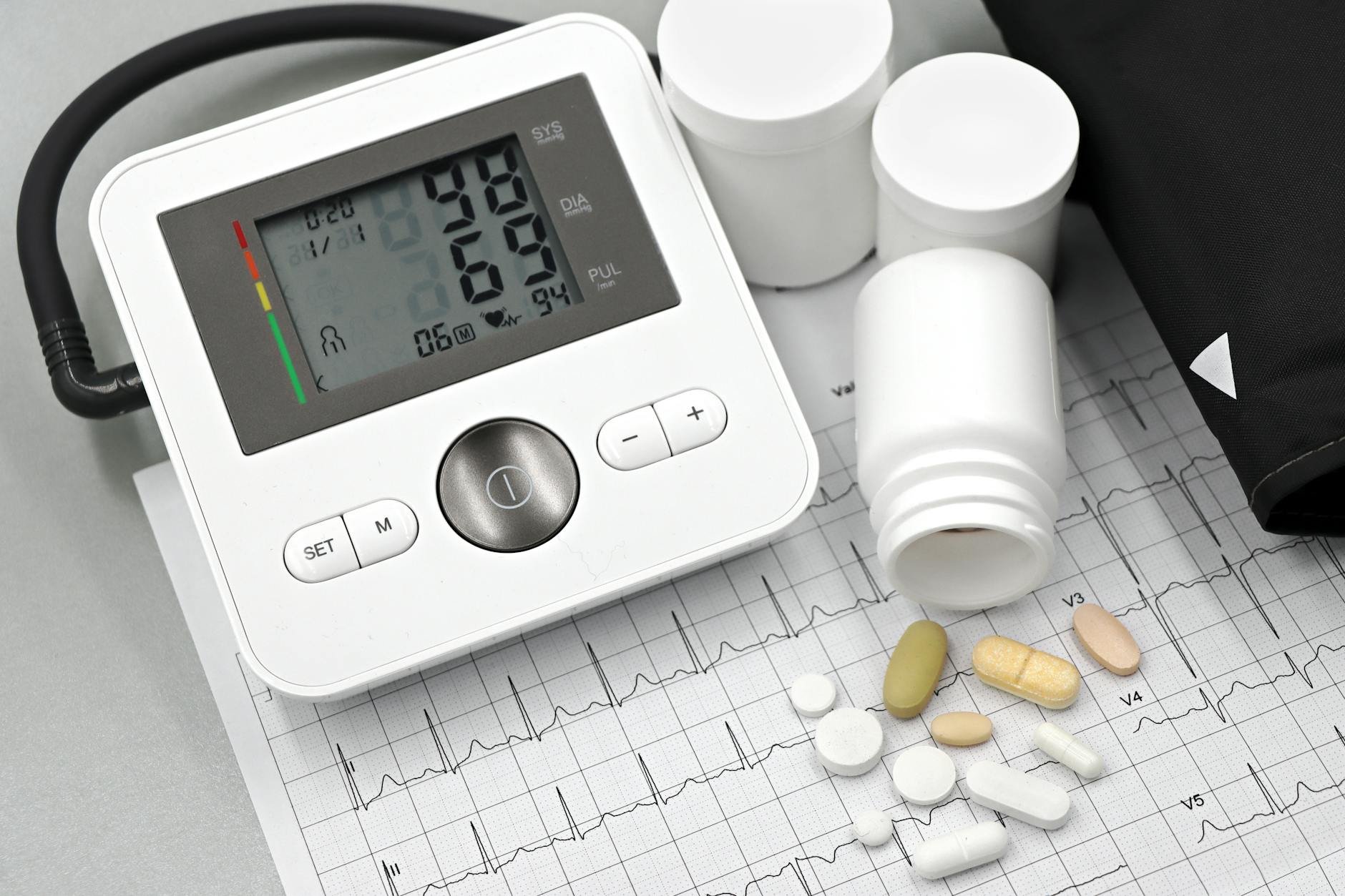
Here’s the thing: taking care of your cardiovascular health is not just about symptoms; it’s also about prevention. For instance, using a heart rate monitor or blood pressure cuff can help you track your cardiovascular health and identify any potential issues. Moreover, taking high-quality Omega-3 supplements can help reduce inflammation and improve heart health.
In addition, I recommend checking out [INTERNAL LINK: heart health supplements] for more information on the best supplements for cardiovascular health. What’s more, regular exercise and a balanced diet can also help reduce the risk of heart disease.
For example, the NHS UK recommends at least 150 minutes of moderate-intensity exercise per week to reduce the risk of heart disease.

My Personal Take
As someone who has experienced the importance of self-advocacy in clinical settings, I can attest to the fact that women need to be proactive about their health. For instance, I once knew a woman who experienced symptoms of a heart attack but was dismissed by her healthcare provider. Fortunately, she sought a second opinion and received the treatment she needed.
In addition, I recommend checking out [INTERNAL LINK: female cardiology] for more information on the latest research and treatments for female cardiac health. What’s more, women can also benefit from support groups and online communities where they can share their experiences and connect with others who have gone through similar situations.
Immediate Steps to Take During a Cardiac Emergency
But here’s what’s essential: if you experience any symptoms of a heart attack, you need to act fast. For instance, calling emergency services is the best course of action, as they can provide immediate medical attention and transport you to the hospital. Moreover, do not drive yourself to the hospital, as this can put you and others at risk.
In addition, I recommend checking out [INTERNAL LINK: heart attack response] for more information on what to do during a cardiac emergency. What’s more, women can also benefit from having a plan in place in case of an emergency, such as having a list of emergency contacts and a first aid kit on hand.
Final Thoughts
So what does this actually mean for women’s health? It means that women need to be aware of the urgency of symptom awareness and take proactive steps to prioritize their cardiovascular health. For instance, regular screenings and check-ups can help identify potential issues before they become major problems.
In addition, women can also benefit from staying informed about the latest research and treatments for female cardiac health. What’s more, by taking control of their health, women can reduce their risk of heart disease and live longer, healthier lives.