
Introduction: The New Era of Alcohol Recovery
Medical science is shifting the treatment landscape for Alcohol Use Disorder (AUD) in 2026, and it’s about time. For far too long, AUD has been shrouded in stigma, with many sufferers feeling ashamed or guilty about their condition. However, as our understanding of the brain and addiction evolves, we’re seeing a welcome shift from stigma to pharmacology.
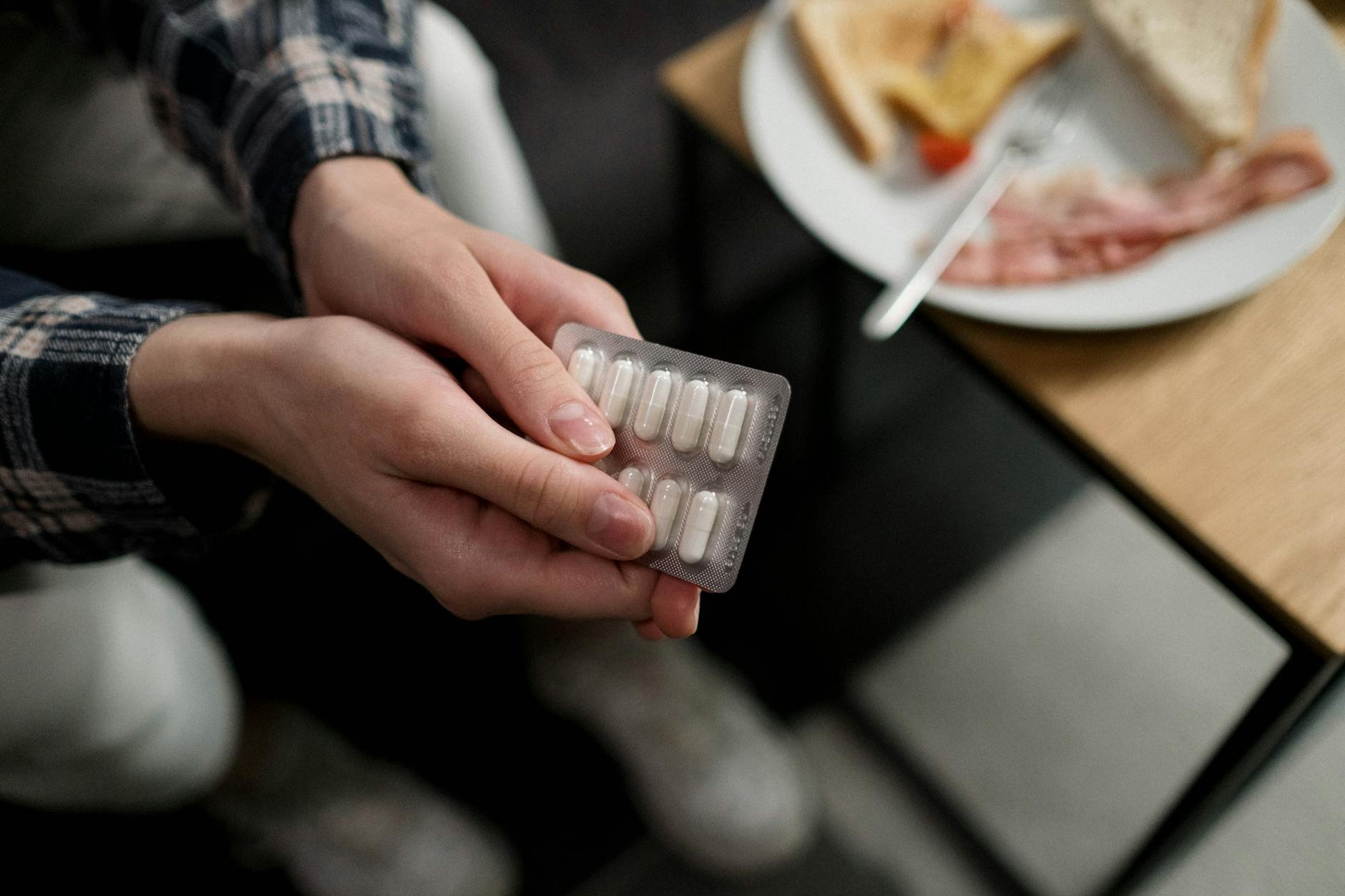
That said, this new era of alcohol recovery is not just about popping a pill and expecting a miracle cure. It’s about a comprehensive approach that combines medication, therapy, and support. As a result, we’re seeing more people seeking help and finding success in their recovery journeys. Moreover, with the rise of telehealth and online support groups, it’s never been easier to access the help you need.
So what does this actually mean for those struggling with AUD? For instance, it means that there are now more treatment options available than ever before. On the other hand, it also means that navigating these options can be overwhelming. Here’s the thing: with the right guidance and support, you can find the treatment that works best for you. In addition, you can learn more about the different treatment options available by visiting our [INTERNAL LINK: alcohol recovery resources] page.
According to the Centers for Disease Control and Prevention (CDC), AUD affects millions of people in the US alone. However, with the right treatment, it is possible to manage the condition and live a healthy, fulfilling life. But here’s what surprised me: despite the many advances in AUD treatment, many people are still unaware of the options available to them.
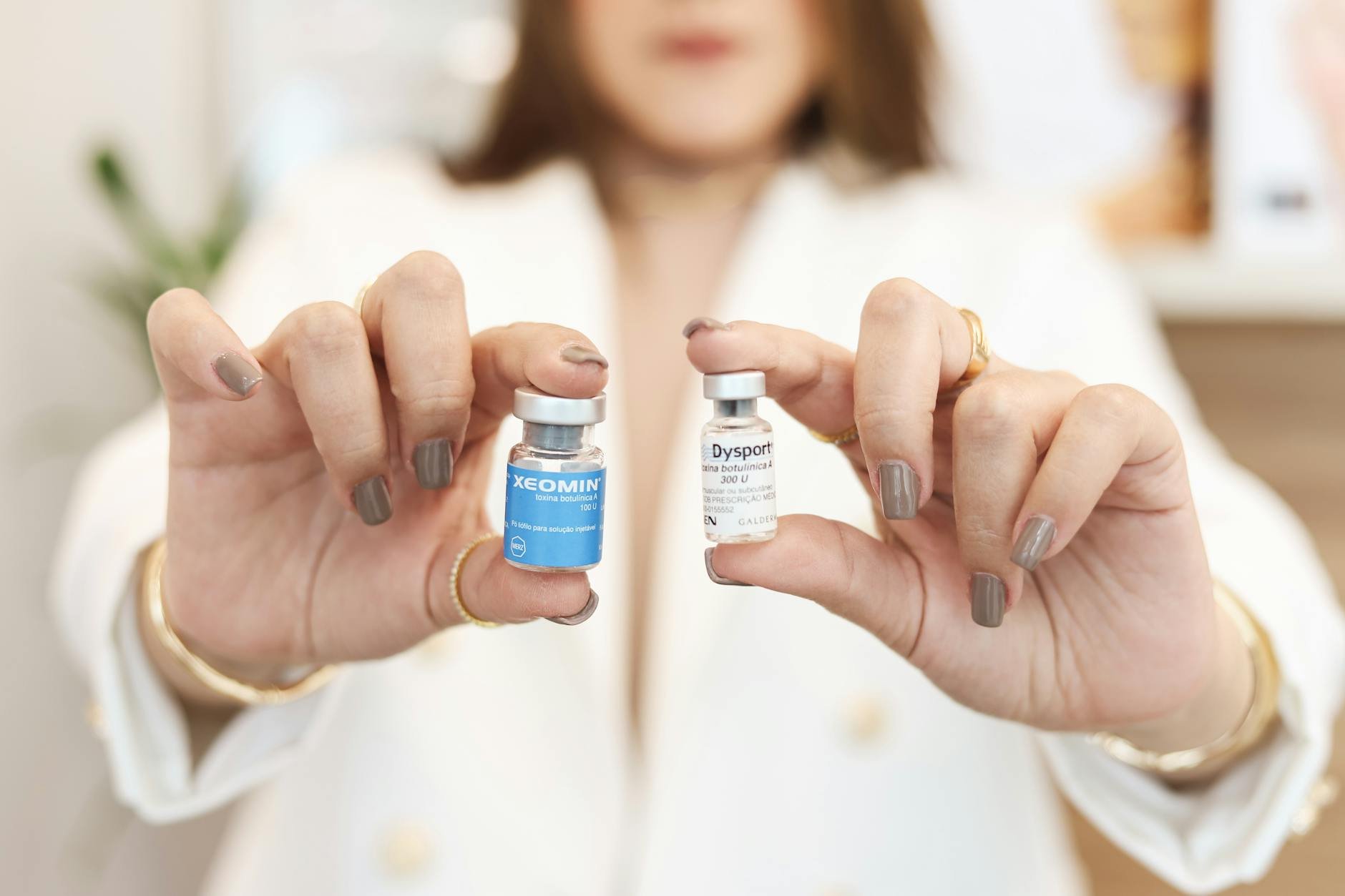
The Gold Standard: Proven FDA-Approved Options
The ‘Big Three’ medications that have long been the backbone of AUD treatment are disulfiram, acamprosate, and naltrexone. These medications have been shown to be effective in reducing cravings and blocking the rewarding aspects of drinking. Moreover, they are all FDA-approved, which means they have undergone rigorous testing and have been proven to be safe and effective. What’s more, they can be used in conjunction with therapy and support groups to provide a comprehensive treatment plan.
For example, disulfiram works by blocking the metabolism of alcohol, causing unpleasant symptoms when alcohol is consumed. Acamprosate, on the other hand, helps to reduce cravings and stabilize mood.

In addition to these medications, there are also several other options available, including topiramate and baclofen. However, these medications are not FDA-approved for AUD treatment, and more research is needed to fully understand their effectiveness. That said, some studies have shown promising results, and they may be worth considering for those who have not responded to other treatments. You can learn more about these options by visiting the [INTERNAL LINK: AUD treatment options] page or by speaking with a healthcare professional.
Naltrexone: Silencing the Reward Center
Naltrexone is one of the most commonly used medications for AUD treatment, and for good reason. It works by blocking the opioid receptors in the brain, which are responsible for the rewarding aspects of drinking. By blocking these receptors, naltrexone reduces the craving for alcohol and makes it less enjoyable to drink. Moreover, it has been shown to be effective in reducing the risk of relapse. However, it’s not without its side effects, and it’s not suitable for everyone. For instance, it can cause nausea, headaches, and fatigue, and it’s not recommended for those with certain medical conditions.
The Sinclair Method is a treatment approach that uses naltrexone in conjunction with drinking to help reduce cravings and block the rewarding aspects of alcohol. It’s a relatively new approach, but it’s shown promising results in some studies. According to a study published in the National Library of Medicine, the Sinclair Method can be an effective treatment option for those who have not responded to other treatments. So what does this actually mean for those struggling with AUD? It means that there is hope for recovery, and that there are many different treatment options available. You can learn more about the Sinclair Method and other treatment options by visiting our [INTERNAL LINK: alcohol recovery stories] page.
Medications for Alcohol Use Disorder: A Comprehensive Overview
When it comes to managing alcohol use disorder, medications play a crucial role in supporting recovery. However, with various options available, it’s essential to understand the different approaches and their effectiveness. In this section, we’ll delve into alternative medications, including Acamprosate and Disulfiram, and explore their mechanisms of action.
Acamprosate and Disulfiram: Alternative Approaches
Acamprosate, also known as Campral, works by reducing cravings and the physical distress associated with alcohol withdrawal. On the other hand, Disulfiram, commonly known as Antabuse, takes a deterrent approach, causing an unpleasant reaction when alcohol is consumed. This reaction can include nausea, vomiting, and headaches, making it a less desirable option for some individuals.
What’s more, Acamprosate has been shown to be effective in reducing the risk of relapse in individuals with alcohol use disorder. However, it’s essential to note that these medications should be used under the guidance of a healthcare professional, as they may have side effects and interact with other medications.

In addition to Acamprosate and Disulfiram, other medications are being explored for their potential in managing alcohol use disorder. For instance, research studies have investigated the use of GLP-1 receptor agonists, such as Semaglutide, in reducing alcohol cravings.
The GLP-1 Revolution: Ozempic and Cravings
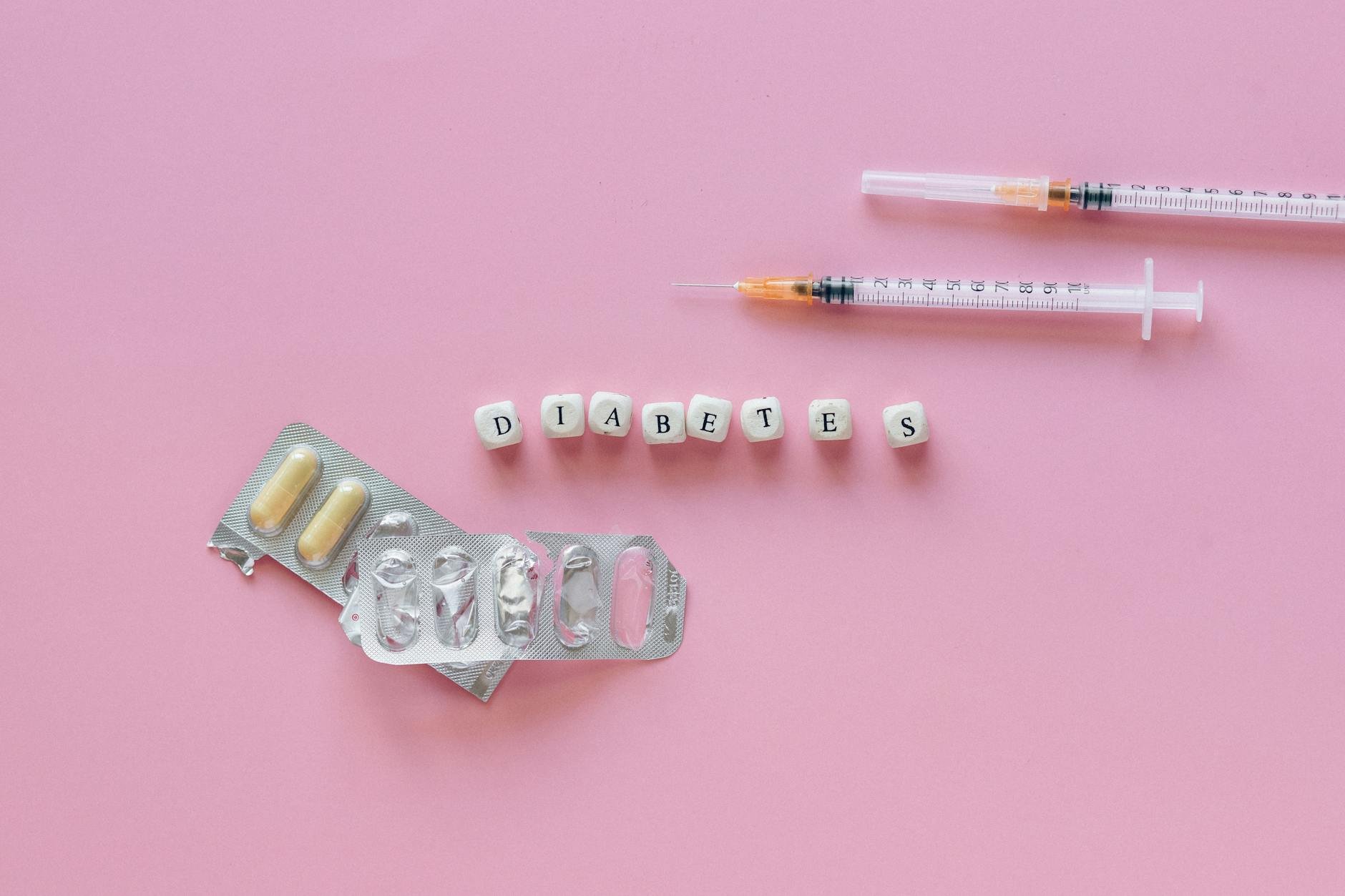
The GLP-1 receptor agonists, including Ozempic (Semaglutide) and Tirzepatide, have shown promise in managing alcohol use disorder. These medications, initially developed for type 2 diabetes, have been found to reduce cravings and improve mood in individuals with alcohol use disorder. Moreover, they may also have a positive impact on weight management and cardiovascular health.
So what does this actually mean for individuals struggling with alcohol use disorder? The use of GLP-1 receptor agonists, such as Ozempic, may provide a new avenue for treatment, particularly for those who have not responded to traditional medications. However, it’s essential to note that these medications are still being investigated, and more research is needed to fully understand their effectiveness and potential side effects.
As a result, it’s crucial to consult with a healthcare professional before starting any new medication, including Ozempic or Tirzepatide. They can help determine the best course of treatment and ensure safe and effective use. For more information on medications for alcohol use disorder, visit [INTERNAL LINK: alcohol use disorder treatment options].

Furthermore, the Centers for Disease Control and Prevention (CDC) provides valuable resources and guidance on managing alcohol use disorder. Additionally, the [INTERNAL LINK: alcohol use disorder support groups] can offer a sense of community and connection for individuals in recovery.
But here’s what surprised me: the potential benefits of GLP-1 receptor agonists extend beyond managing alcohol use disorder. They may also have a positive impact on mental health and overall well-being. For instance, Semaglutide has been shown to reduce symptoms of depression and anxiety in individuals with type 2 diabetes.
What’s more, the use of GLP-1 receptor agonists, such as Ozempic, may be particularly beneficial for individuals who have struggled with weight gain or metabolic issues related to alcohol use disorder. As we explore the clinical landscape of these medications, it’s essential to consider their potential benefits and limitations. For more information on the latest research, visit [INTERNAL LINK: GLP-1 receptor agonists for alcohol use disorder].
My Personal Take
As someone who has worked with individuals struggling with alcohol use disorder, I’ve seen firsthand the importance of combining medications for alcohol use disorder with behavioral therapy. However, what’s often misunderstood is that there is no ‘magic pill’ that can cure addiction on its own. On the other hand, when medication is used in conjunction with therapy, it can be a powerful tool in the recovery process. For instance, I’ve seen patients who have struggled with addiction for years finally find success when they combine medication with regular counseling sessions.
Here’s the thing: recovery from alcohol use disorder is a journey, not a destination. It takes time, effort, and patience, but with the right combination of medication and therapy, it is possible to achieve long-term sobriety. Moreover, it’s essential to understand that research has shown that medication can help reduce cravings and withdrawal symptoms, making it easier for individuals to stay on the path to recovery.
That said, it’s crucial to find a treatment plan that works for each individual. What works for one person may not work for another, so it’s essential to work with a healthcare professional to find the right combination of medication and therapy. As a result, I always recommend that my patients explore different options and find what works best for them. For example, some people may find that cognitive-behavioral therapy works well for them, while others may prefer motivational interviewing.
Managing Side Effects and Expectations
When starting medications for alcohol use disorder, it’s essential to be aware of the potential side effects. Nausea, lethargy, and headaches are common side effects, but they can be managed with the right guidance. Moreover, it’s crucial to understand that these side effects are usually temporary and will subside as the body adjusts to the medication. However, it’s also important to note that some medications may have more severe side effects, such as seizures or allergic reactions, so it’s essential to work closely with a healthcare professional to monitor any adverse effects.
So what does this actually mean for patients? It means being patient and understanding that recovery is a process. It’s not always easy, but with the right mindset and support, it is possible to overcome the challenges of alcohol use disorder. In addition, it’s essential to have a strong support system in place, whether it’s through support groups or individual counseling. What’s more, having a clear understanding of what to expect during the recovery process can help patients stay motivated and focused on their goals.

But here’s what surprised me: many patients are unaware of the resources available to them. From online support groups to hotlines, there are many tools that can help individuals stay on the path to recovery. For instance, the National Institute on Alcohol Abuse and Alcoholism provides a wealth of information and resources for patients and healthcare professionals alike. As a result, I always recommend that my patients take advantage of these resources to help them stay informed and motivated throughout the recovery process. You can learn more about these resources by visiting [INTERNAL LINK: alcohol use disorder treatment options].
The Future of Addiction Science
The field of addiction science is constantly evolving, and 2026 is no exception. One of the emerging trends is the use of personalized genetic testing to determine the efficacy of certain medications. This means that healthcare professionals can tailor treatment plans to an individual’s specific genetic profile, increasing the chances of success. Moreover, this approach can help reduce the risk of adverse reactions and side effects, making treatment safer and more effective. However, it’s also important to note that this approach is still in its infancy, and more research is needed to fully understand its potential.
Here’s the thing: this is a game-changer for the field of addiction science. With the ability to tailor treatment plans to an individual’s genetic profile, we can improve outcomes and reduce the risk of relapse. In addition, this approach can help us better understand the underlying causes of addiction, allowing us to develop more effective treatments. You can learn more about the latest developments in addiction science by visiting [INTERNAL LINK: addiction research]. Furthermore, you can also explore [INTERNAL LINK: personalized medicine] to learn more about how genetic testing can be used to inform treatment decisions.
Final Thoughts
As we conclude our exploration of medications for alcohol use disorder, it’s essential to remember that each individual’s journey to recovery is unique. What works for one person may not work for another, and that’s why consulting a healthcare professional is crucial. They can help you create a tailored recovery plan that suits your specific needs and circumstances.
Here’s the thing: recovery from alcohol use disorder is a long-term process that requires patience, dedication, and the right support.

With the right treatment and support, you can overcome alcohol use disorder and live a healthier, happier life. Moreover, it’s essential to address any underlying mental health issues that may be contributing to your alcohol use disorder. For instance, CDC reports that individuals with mental health disorders are more likely to experience alcohol use disorder.
But here’s what surprised me: the importance of lifestyle changes in supporting recovery. In addition to medication and therapy, making healthy lifestyle choices, such as regular exercise, a balanced diet, and sufficient sleep, can help you stay on track. So what does this actually mean? It means that recovery is not just about treating the symptoms, but also about creating a healthier, more balanced you.

As a result, it’s essential to work with a healthcare professional to create a comprehensive recovery plan that addresses all aspects of your health.
So, if you or someone you know is struggling with alcohol use disorder, don’t hesitate to seek help. You can start by consulting a healthcare professional or visiting a reputable website, such as NHS UK, for more information. What’s more, you can also explore [INTERNAL LINK: alcohol use disorder treatment options] and [INTERNAL LINK: recovery support groups] to find the resources you need. Furthermore, you can learn more about [INTERNAL LINK: medications for alcohol use disorder] and how they can support your recovery journey. For more information, you can visit PubMed or Mayo Clinic.