
Some foods cause your blood sugar to rise rapidly, followed by a sharp crash that leaves you tired, hungry, and craving more. These repeated spikes don’t just affect daily energy—they can increase the risk of insulin resistance, weight gain, and metabolic problems over time. Below are the top four foods most likely to trigger blood sugar spikes, along with smarter alternatives.
1. Sugary Breakfast Cereals
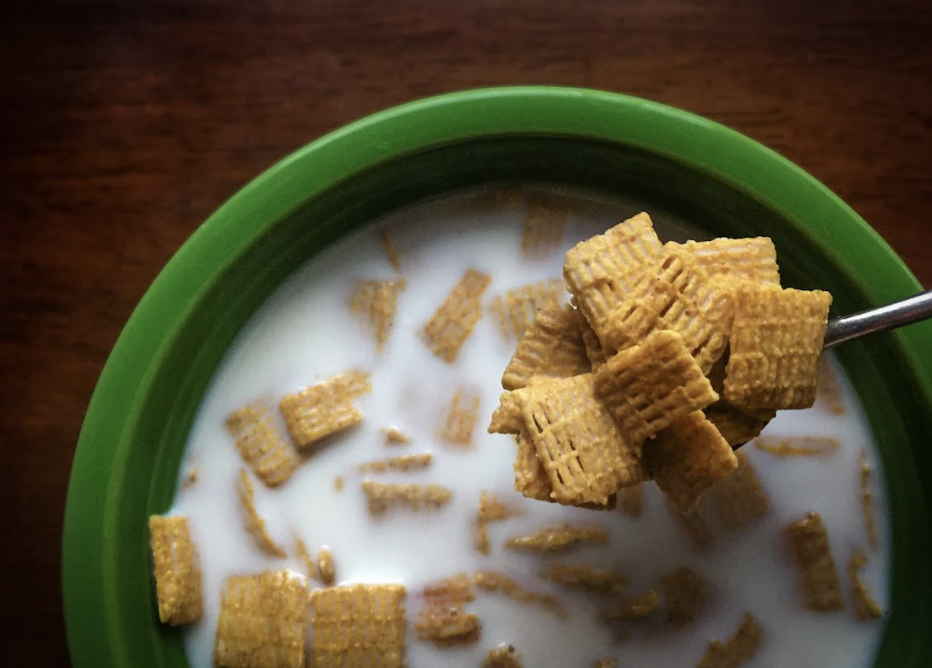
Many cereals labeled as “healthy” or “whole grain” still contain large amounts of added sugar and refined carbohydrates.
Why they spike blood sugar:
- Very low fiber
- High added sugar
- Digested quickly, causing a rapid glucose surge
Better choices: steel-cut oats, plain Greek yogurt with berries, or high-fiber cereals with no added sugar.
2. White Bread, White Rice, and Refined Grains

Refined grains have had their fiber removed, allowing them to behave almost like pure sugar in the body.
Why they spike blood sugar:
- Fast conversion into glucose
- Sharp insulin response
- Hunger returns quickly after eating
Better choices: brown rice, quinoa, barley, whole wheat tortillas, or fermented sourdough bread.
3. Sweetened Coffee Drinks and Store-Bought Smoothies

Many café drinks and bottled smoothies contain hidden sugars equal to—or exceeding—soft drinks.
Why they spike blood sugar:
- Liquid sugar enters the bloodstream extremely fast
- Little to no fiber to slow absorption
- Often include syrups, fruit juice concentrates, or sweetened yogurt
Better choices: unsweetened cold brew, Americano with a splash of milk, or homemade protein smoothies with no added sugar.
4. Pastries, Donuts, and Sweet Baked Goods

These foods combine refined flour, sugar, and unhealthy fats—one of the worst combinations for blood sugar control.
Why they spike blood sugar:
- Very high glycemic load
- Minimal protein or fiber
- Often fried or heavily processed, worsening insulin sensitivity
Better choices: Greek yogurt with nuts, chia pudding, fruit with nut butter, or small portions of dark chocolate (70%+).
How to Reduce Blood Sugar Spikes
You don’t need to eliminate carbohydrates completely. Instead:
- Pair carbs with protein or healthy fats
- Increase fiber intake to slow digestion
- Avoid drinking sugary beverages
- Choose whole, minimally processed foods
Stable blood sugar supports consistent energy, fewer cravings, and better long-term metabolic health.
Blood sugar spikes occur when foods are absorbed too quickly into the bloodstream. By replacing refined, sugary options with fiber-rich, balanced meals, you can protect your metabolism and maintain steady energy throughout the day.
Great for Dieting! The Benefits of Peaches, Corn, and Barley—All in One Guide
Harvard T.H. Chan School of Public Health — Glycemic Index Overview